Last updated: November 12, 2026 · By Joel Kuznetsky
If you are raising kids in Los Angeles, there is a decent chance you will eventually have some version of this conversation:
Should we live in the Valley or on the Westside?
Before kids, the decision might revolve around restaurants, nightlife, commute or how close you want to be to the beach. Once you have children, your priorities have a funny way of changing. Suddenly you care deeply about things you barely knew existed five years earlier, like Little League boundaries, summer camp pickup times, whether a park has bathrooms and how long it will take to get from school to a 4:30 soccer practice.
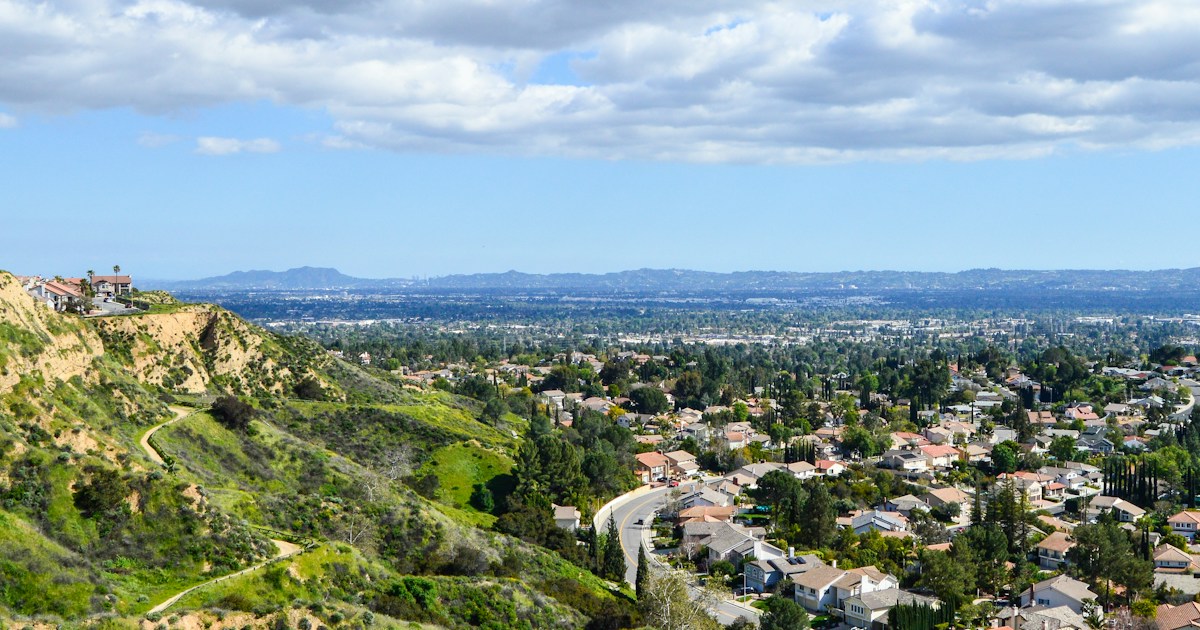
The West Valley and Westside are two of the most popular parts of Los Angeles for families, but they offer very different versions of family life.
For this comparison, when we say West Valley, we’re generally talking about communities such as Sherman Oaks, Encino, Tarzana, Woodland Hills, West Hills and nearby Calabasas. When we say Westside, we’re talking broadly about Santa Monica, Brentwood, Mar Vista, Culver City, Playa Vista, Venice and surrounding neighborhoods.
Those boundaries aren’t perfect. Ask five Angelenos where the Westside begins and you may get seven answers. But they’re close enough for the comparison that matters here.
We’re also not going to tell you which neighborhood has the “best schools” or where your house will appreciate the most. Those are separate conversations that require much more individual research. This is about something Afterschool Search spends a lot of time thinking about:
The Short Answer
- Kids heavily into organized sports: Lean West Valley
- Beach-centered weekends: Westside, and it isn't close
- Want a backyard and suburban feel: Start in the West Valley
- Walkability is a must: Look at specific Westside neighborhoods like parts of Santa Monica and Culver City
- Very young kids: Close call: the Valley wins on activities and indoor play, the Westside on climate and outdoor life
- Grandparents help with childcare: Live closer to them
What is everyday life actually like when you’re raising kids there?
The biggest difference might be how your family spends its free time
The easiest way to understand the difference is to imagine an ordinary Saturday.
In the West Valley, your morning might start with a Little League game in Encino, breakfast on Ventura Boulevard, an afternoon birthday party in Woodland Hills and dinner somewhere five minutes from home. Another weekend might mean hiking, golf, a recreation center, a swim lesson, a backyard barbecue or driving farther west toward Malibu, Agoura Hills or Thousand Oaks.
On the Westside, Saturday can feel completely different. You might bike to breakfast, spend the morning at a soccer game, head to the beach afterward and stop somewhere in Santa Monica or Venice for dinner. In Culver City, you might combine a kids’ activity with lunch downtown and a walk around the neighborhood without getting back into the car every 20 minutes.
Neither version is inherently better.
The Valley tends to give families more room and an enormous ecosystem of traditional kids’ activities.
The Westside gives families more opportunities to combine kids’ activities with the larger LA lifestyle around them.
That distinction sounds small. Once you have children, it really isn’t.
For organized youth sports, the West Valley is hard to beat
If your family eventually becomes a sports family, there is a lot to like about the Valley.
The sheer amount of physical space helps. Baseball diamonds, soccer fields, tennis courts, recreation centers and large parks are scattered throughout the area. The Sepulveda Basin Recreation Area alone sits in the middle of a huge concentration of recreational facilities in and around Encino, Lake Balboa and Van Nuys. The City of Los Angeles lists the Sepulveda Basin Recreation Area at 17017 Burbank Boulevard in Encino, and the surrounding area has become one of the Valley’s major recreational hubs.
There are established Little Leagues in places such as Sherman Oaks and Encino, AYSO soccer throughout the Valley, basketball programs, swim teams, tennis programs and football organizations. If your child becomes serious about a sport, the Valley also puts you within reasonable reach of an even larger network stretching through Calabasas, Agoura Hills and into Ventura County.
The practical advantage isn’t simply that these programs exist. It’s that families can build their weekly lives around them.
Living in Encino while your child plays baseball in Encino is very different from crossing Los Angeles three evenings a week for practice.
That sounds obvious until you actually make the mistake.
A 15-minute difference on Google Maps can become a major quality-of-life difference when you multiply it by practices, games, siblings and an entire season.
The Westside has plenty of sports too
It would be wrong to characterize the Westside as the place for beaches while the Valley gets all the sports.
Culver City, Santa Monica and West LA have substantial recreation infrastructure of their own.
Culver City operates youth sports programs built specifically around recreational participation, including basketball and other seasonal programs. The city’s stated philosophy emphasizes participation and community rather than competition.
The Culver City Municipal Plunge is another unusually useful family resource. It is a full municipal aquatics facility with an Olympic-size competition pool, recreational swimming and family swim opportunities.
Santa Monica’s Memorial Park has baseball and softball fields, tennis, basketball, a playground and The Cove skatepark, along with youth and recreation programming.
So your kid is certainly not going to run out of sports on the Westside.
The difference is that sports are only one piece of what the Westside gives you.
The beach is a much bigger family amenity than it sounds
It is easy for people who have lived in Los Angeles for a long time to become strangely unimpressed by the Pacific Ocean. Then you have kids. The beach is a giant, mostly free activity that never really gets old.
You can bring buckets and shovels when they’re three. Boogie boards when they’re seven. Bikes when they’re nine. Volleyballs, surfboards and friends as they get older.
That is a significant advantage for Santa Monica and nearby Westside neighborhoods because going to the beach doesn’t necessarily have to become an “event.”
If you live in Woodland Hills, a beach day usually requires some planning. You’re checking traffic, packing the car and deciding whether you’re going through Topanga Canyon, Malibu Canyon or another route. Coming home can be an entirely different adventure.
If you live in Santa Monica, the beach can simply be what you do for an hour.
The Annenberg Community Beach House is a perfect example of why this matters. It’s not just sand and ocean. The public facility includes a playground, splash pad, beach volleyball, beach soccer, cultural programming and a seasonal historic swimming pool. Most of the facility, including the playground and splash pad, is free; parking and pool admission are the main paid amenities.
That’s a pretty incredible neighborhood resource when you have children.
But the Valley has something the Westside can’t manufacture: space
The counterargument becomes obvious the first time you’re at a Valley family’s house and six kids are running around a backyard. Space matters with children.
Not every Valley family has a giant yard, of course, and housing varies enormously from neighborhood to neighborhood. But the West Valley generally has a more suburban physical character than much of the Westside.
That affects family life in ways that don’t necessarily show up when you’re comparing lists of attractions.
A backyard can become the Saturday activity. Friends can come over instead of everybody meeting somewhere. Birthday parties can happen at home.
Kids can shoot baskets in the driveway, play outside, set up a water table or destroy your carefully maintained grass with whatever game they invented that afternoon.
There is also simply more of a traditional suburban-family feeling in many parts of Woodland Hills, West Hills, Tarzana, Encino and Calabasas.
For some parents, that is exactly what they want. For others, it is exactly what they moved to Los Angeles to avoid.
The Westside wins on walkability, but only in the right places
One of the biggest potential lifestyle differences is how often you can leave the car parked.
Certain parts of Santa Monica and Culver City make it genuinely possible to combine several family errands or activities into one outing. You can go to a park, grab lunch, get ice cream and walk around without strapping everyone back into car seats between every stop.
That is much harder in large portions of the Valley.
Ventura Boulevard gives neighborhoods such as Sherman Oaks, Encino, Tarzana and Woodland Hills excellent concentrations of restaurants, shops and services, but most Valley families are still going to spend a lot of time driving.
That doesn’t necessarily make the Westside universally walkable. Playa Vista is different from Brentwood. Santa Monica is different from Mar Vista. And plenty of Westside parents spend a depressing amount of time sitting on the 405 too.
But if being able to walk or bike places with your children is near the top of your family’s wish list, there are more Westside neighborhoods where that can become part of everyday life.
The Valley may actually be easier for the after-school years
This is where things get interesting for us. When children reach elementary school, the family calendar starts filling up. Monday is gymnastics. Tuesday is baseball. Wednesday somebody has tutoring. Thursday is piano. Friday you swore you weren’t scheduling anything, but somehow there’s a birthday party.
The Valley is extremely well suited to this phase of parenting because there are so many kids’ businesses scattered along the Ventura Boulevard corridor and surrounding neighborhoods.
You can find dance studios, martial arts, gymnastics, art, music, tutoring, coding, swimming, tennis and indoor play without necessarily leaving your general part of the Valley.
Even entertainment options that are decidedly unglamorous become incredibly valuable once you have children. Sherman Oaks Castle Park has mini golf, batting cages and an arcade right next to the 405. Woodland Hills has places such as Off The Wall Los Angeles and Kids Empire Woodland Hills. Sherman Oaks has several indoor play spaces, including World of Candy Land Indoor Playground and ADAM’S GARDEN INDOOR PLAYGROUND & PARTY SPACE.
None of these places is why somebody moves to Los Angeles.
They are exactly the kind of places you’re suddenly very happy to have nearby when you have a four-year-old.
The Westside has a different kind of variety
The Westside’s strength isn’t a lack of organized activities. There are plenty.
It’s that the surrounding environment creates additional possibilities.
A Saturday morning class can turn into an afternoon at the beach. Soccer can be followed by the Santa Monica Pier. A trip to Culver City can include a hike, playground or lunch. Venice and Mar Vista give families access to activities while still being close to the beach and central Westside destinations.
Santa Monica’s Virginia Avenue Park is a good example of the kind of multipurpose facility that makes the Westside work well for families. Its 9.5-acre campus includes playgrounds, a splash pad, basketball, a teen center, a library branch and a weekly farmers market.
Culver City Park combines a playground and basketball with walking paths, a nature trail and access toward the Baldwin Hills area.
Culver City also has something parents of older kids should notice: a dedicated Teen Center with after-school hours during the school year, games, a homework room and drop-in activities.
Those are the kinds of amenities that matter more as kids get older and you start looking beyond playgrounds.
AfterschoolSearch is launching soon in Los Angeles County
Get early access to the easiest way to find kids’ activities, sports leagues, classes, camps and events near you. No spam, just launch news and parent guides like this one.
If you have toddlers, this is almost a different comparison
Parents of babies and toddlers need different things than parents of 10-year-olds.
With very young children, convenience is king.
You want a good playground close to home. You want parent-and-me classes that don’t require an hour in traffic. You want indoor places for the rare rainy day and the not-so-rare 100-degree Valley day. You want somewhere your child can run around at 9:30 on a Sunday morning because they’ve already been awake for four hours.
The Valley has an enormous number of indoor play spaces and children’s businesses. The Westside has them too, including places such as APEX for Kids: Active Play Experience for Kids in West LA, Wild Child Gym in Culver City and Fun Play World Kids Indoor Playground Santa Monica.
But the weather becomes part of the equation. The West Valley gets hot. Really hot.
There are summer afternoons when your theoretical plan to take the kids to the park in Woodland Hills will last approximately as long as it takes you to open the front door.
The Westside’s milder coastal climate makes outdoor activities easier during more of the day in summer. That is one of those quality-of-life differences that sounds minor when you’re house hunting in February and becomes extremely obvious in July.
On the other hand, Valley families adapt. Pools, splash pads, indoor playgrounds, morning sports and air-conditioned activities become part of the summer rhythm.
Birthday parties might be easier in the Valley
This sounds like a ridiculous criterion for choosing where to live.
Give it a few years.
When your child is invited to 15 birthday parties in one school year, you begin appreciating the fact that many of them are within 10 minutes of your house.
The Valley has an enormous ecosystem of indoor playgrounds, gymnastics facilities, parks, entertainment centers, sports facilities and private party venues.
It also has something increasingly valuable: homes and yards that can sometimes accommodate the party themselves.
The Westside has excellent birthday options too, and some truly unique ones. A beach birthday is hard to argue with. But parking, space and guest logistics can make certain Westside parties more complicated.
This is a recurring theme in the comparison. The Westside can give you the more memorable setting. The Valley can make the logistics easier. Parents eventually learn to appreciate logistics.
The 405 is not just a freeway. It is a parenting decision.
If there is one piece of advice we’d give any family deciding between these areas, it is this:
Do not evaluate your neighborhood separately from where the rest of your life happens.
If one parent works in Santa Monica five days a week, moving to Woodland Hills because you love the house can create a very different daily reality than the one you imagined at the open house.
Likewise, if your family, grandparents, school and children’s activities are all in the Valley, paying a premium to live near the beach may not improve your life very much if you’re constantly driving back over the hill.
Los Angeles parents don’t experience distance in miles. We experience it in minutes. And unfortunately those minutes change depending on whether it is 7:30 a.m., 2:45 p.m., 5:15 p.m. or apparently any random moment when you desperately need to be somewhere.
Before choosing an area, open a map and plug in the places you will actually visit every week. Your office. Your partner’s office. Grandparents. School or preschool. The sports facility you’re considering. The friends or relatives you see regularly.
Then check those drives at the times you’d actually make them. That exercise may tell you more than another three hours of reading neighborhood rankings.
What about access to the rest of Los Angeles?
This depends enormously on exactly where you live.
Sherman Oaks and Encino have a major advantage within the Valley because of their proximity to the 405 and 101. If your life frequently takes you between the Valley and West LA, being relatively close to the Sepulveda Pass can matter.
Move farther west into Woodland Hills or West Hills and you’re gaining some of the Valley’s most suburban-feeling neighborhoods, but you’re also moving farther away from central Los Angeles.
The Westside has the opposite problem.
You may be geographically closer to museums, beaches, LAX and many central LA destinations, but a short distance on a map can still turn into an absurd drive.
This is Los Angeles. Nobody gets to completely defeat traffic.
You are mostly choosing which traffic you would prefer to complain about.
What about weekend adventures?
This one is closer than people might think.
The Westside obviously has the ocean.
Santa Monica, Venice and the coastal bike paths give families an entire category of recreation that the Valley can’t duplicate. Malibu is also right up the coast.
But the western Valley has excellent access to a different kind of outdoors.
Families in Woodland Hills and Calabasas are close to the Santa Monica Mountains and can head toward hiking, nature and open space without first crossing the city. Families farther west are also positioned well for day trips into Agoura Hills, Thousand Oaks and Ventura County.
The Valley also has the huge Sepulveda Basin recreational area in its backyard.
So if your family’s definition of outdoors is beach, bikes, sand and ocean, the Westside has the obvious advantage.
If it’s hiking, open space, parks and getting out toward the mountains, the western Valley makes a very strong case.
A family that loves both is going to be happy in either place and spend a lot of time driving between them anyway.
The Valley feels more suburban. The Westside feels more connected to the city.
This may be the most important distinction, and it’s difficult to quantify.
Parts of the West Valley can feel like suburban Southern California that happens to be inside Los Angeles.
Wide streets. Shopping centers. Youth sports. Backyards. Large parks. Driving everywhere. Families building routines around school, activities and neighborhood friends.
The Westside often feels more integrated with the broader LA experience.
The beach, restaurants, shopping, parks and children’s activities overlap more often. Parents and kids may be able to participate in the same outing instead of the day revolving entirely around the child’s scheduled activity.
Neither is better.
Some parents desperately want more space and a slower neighborhood rhythm once they have children.
Other parents have kids precisely because they want to share the city with them.
Knowing which family you are matters more than somebody else’s neighborhood ranking.
Where we’d lean based on the kind of family you are
Rather than declaring one side the winner, here’s how we’d think about it.
If your kids are heavily involved in organized sports, we’d lean West Valley. The combination of facilities, leagues, space and access to programs throughout the Valley is difficult to beat.
If your ideal family weekend involves the beach, Westside. This isn’t close. Living near the ocean fundamentally changes how frequently you use it.
If you want a backyard and a more traditional suburban family experience, we’d start in the West Valley.
If walkability is extremely important, we’d investigate specific Westside neighborhoods first, particularly parts of Santa Monica and Culver City. Don’t assume an entire neighborhood is walkable just because a real estate listing says it is.
If you have very young children, we’d call it close. The Valley has tremendous depth in children’s activities and indoor play, while the Westside’s climate and outdoor lifestyle are significant advantages.
If your children have activities five or six days a week, choose whichever side contains most of those activities. This is more important than people realize.
If one parent works long hours on the Westside, we’d think very carefully before moving deep into the Valley.
If grandparents or other family members provide regular childcare, live closer to them. Seriously. Free, loving childcare beats almost every amenity on this list.
The question we would ask before choosing either one
Don’t ask:
“Which area is better for families?”
Ask:
“What do we want a normal Tuesday and Saturday to look like?”
That’s the question that gets you closer to the right answer.
If your ideal Tuesday means your child walks home, you grab dinner nearby and everyone can get around without spending the evening in the car, certain Westside neighborhoods may fit you beautifully.
If your ideal Tuesday means the kids come home, play in the backyard, drive 10 minutes to baseball practice and you’re all back home by 7:00, the West Valley may fit better.
Then picture Saturday.
Do you want to walk or bike to the beach?
Do you want to spend the morning at a giant sports complex?
Do you want a big backyard where six kids can come over?
Do you want to walk somewhere for lunch?
Do you want to be near hiking?
Do you want to be close to grandparents?
Do you want your child’s entire sports league to live within five miles?
Those answers are much more useful than somebody telling you Santa Monica is a 9.2 and Encino is an 8.7.
Families don’t live inside rankings.
They live inside routines.
So, West Valley or Westside?
If we had to summarize the tradeoff in the simplest possible way, it would be this:
The West Valley makes a very compelling case for the mechanics of raising kids. There is space, an enormous number of children’s activities, strong youth sports infrastructure, large parks and a more suburban rhythm that many families find easier.
The Westside makes a very compelling case for the lifestyle of raising kids in Los Angeles. The beach, milder weather, pockets of genuine walkability and the ability to combine children’s activities with everything else the city offers can make family life incredibly fun.
But there is no universal winner.
A family with three sports-obsessed kids living in Encino may wonder why anyone would choose differently.
A family biking home from the beach in Santa Monica may feel exactly the same way.
And that’s probably the right conclusion.
Los Angeles is enormous. Raising kids here becomes much easier when you stop trying to find the neighborhood everybody says is “best” and find the part of the city that makes your family’s ordinary days better.
That’s ultimately what matters.
A note from Afterschool Search
We’re building Afterschool Search to make one part of this decision easier: figuring out what your kids can actually do near where you live.
As we expand our Los Angeles directory, you’ll be able to compare sports leagues, camps, classes, lessons, after-school programs, birthday options and other activities by neighborhood instead of discovering them one Google search at a time.
Because whether you end up in Woodland Hills or Santa Monica, the question parents eventually ask is the same:
What are we doing with the kids this week?
AfterschoolSearch is launching soon in Los Angeles County
Get early access to the easiest way to find kids’ activities, sports leagues, classes, camps and events near you. No spam, just launch news and parent guides like this one.